Published on April 11, 2026
How to Create Custom Invoices That Get Paid Faster
Custom invoices can speed up payment when we design them for clarity, trust, and easy approval from the start.
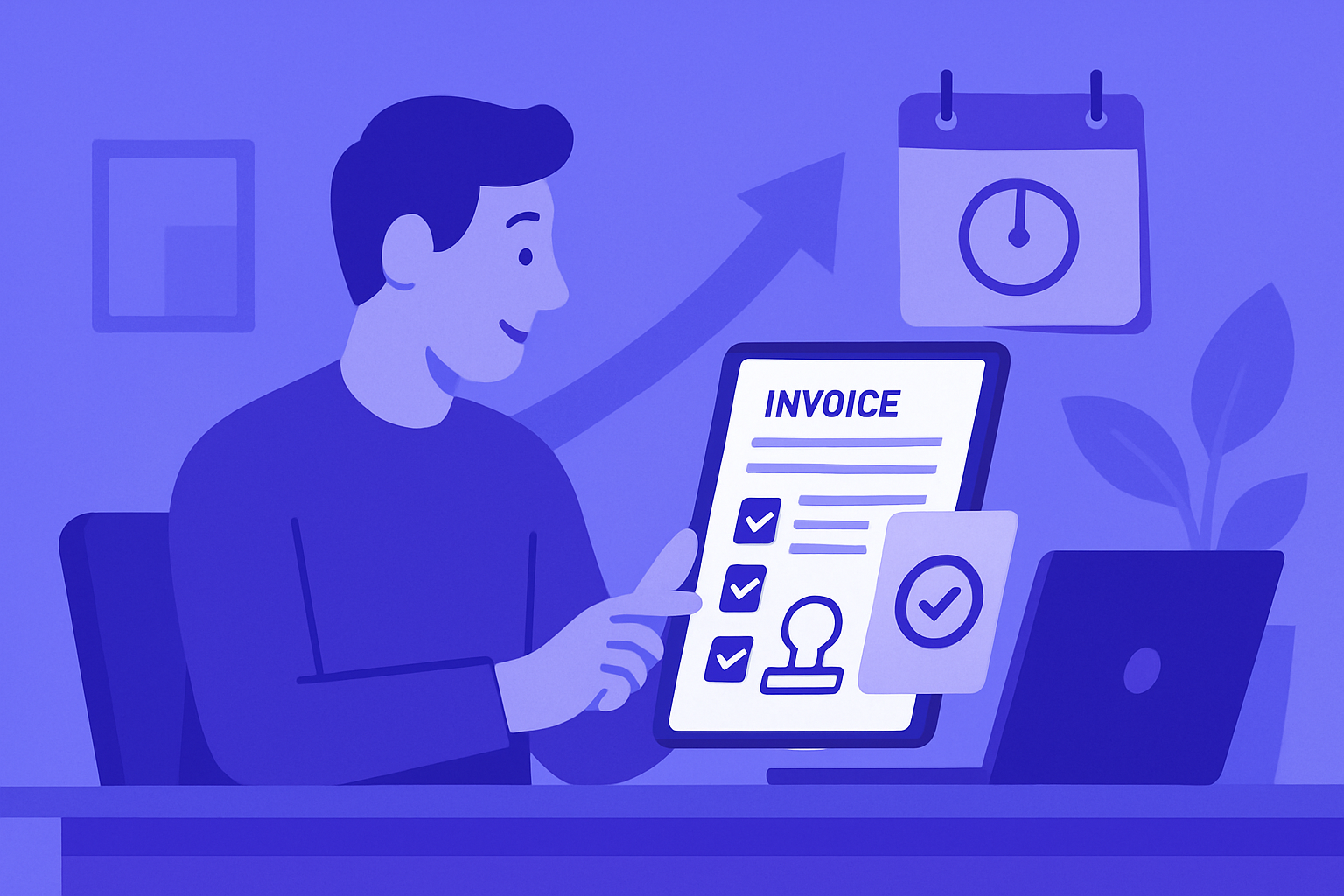
Custom invoices can do more than list charges—they can help clients understand, approve, and pay faster. When we design invoices with clarity, consistency, and the right details, we reduce friction at every step of the payment process.
In practice, faster payment often comes down to presentation and structure. A well-built invoice makes it easy to see what was delivered, what is due, when payment is expected, and how to pay. It also helps us reinforce our brand, avoid confusion, and present a more professional experience that builds trust.
In this article, we’ll look at how to create invoices that are tailored to each client or project without adding unnecessary manual work. We’ll cover the elements that matter most, the design choices that improve readability, and the workflow improvements that help us get paid faster.
Key Takeaways
- Custom invoices help clients understand charges faster, which can shorten approval time.
- Clear layout, itemized details, and visible payment terms reduce back-and-forth questions.
- Consistent branding and client-specific formatting make invoices easier to recognize and trust.
- Streamlined invoicing workflows let us personalize invoices without adding manual work.
What Makes Custom Invoices More Effective Than Standard Templates
Custom invoices are more effective than standard templates because they help us present the right information in a way clients can understand quickly. A generic invoice may list charges, but a well-designed custom invoice reduces confusion, reinforces professionalism, and makes it easier for clients to approve payment without back-and-forth questions.
When we tailor invoices to our business and client needs, we can highlight the details that matter most. That includes clear project names, itemized services, payment terms, due dates, and any supporting notes that explain the charge. The result is a document that feels organized and trustworthy, which can shorten the time between sending the invoice and receiving payment.
Custom invoices also improve the client experience by matching the way we work. For example, we can adjust the layout for recurring services, milestone billing, retainers, or one-time projects. We can also include branding elements such as our logo, color palette, and contact details so the invoice is easy to recognize and consistent with the rest of our communications. That consistency helps clients process invoices faster because they know exactly who sent them and what the invoice is for.
Another advantage is that custom invoices let us remove unnecessary friction. Instead of forcing clients to search for key details, we can place the most important information near the top:
- Invoice number for easy reference
- Due date to set clear expectations
- Payment methods so clients know how to pay
- Itemized charges to explain the total
- Contact information for quick questions
We can also use custom invoices to support faster approvals internally. Many clients need invoices reviewed by finance, operations, or project managers before payment is released. A clean, customized format makes it easier for those teams to verify the work, match it to a purchase order or contract, and move it through their process without delays.
In practice, the best custom invoices do more than look polished. They reduce uncertainty, answer common questions upfront, and make payment simple. When we combine clear structure with accurate details and a professional presentation, we create invoices that are easier to approve and faster to pay.
How to Design Custom Invoices for Clarity and Faster Approval
When we design custom invoices for clarity, we make it easier for clients to review, approve, and pay without delay. The goal is not to add more design elements for the sake of appearance. The goal is to remove friction. A clear invoice answers the client’s questions before they have to ask them: what was delivered, how much is due, when payment is expected, and where to send it.
We start with a simple structure that keeps the most important details easy to find. The invoice number, issue date, due date, client name, and payment total should appear in a predictable place. If these details are buried or inconsistent from one invoice to the next, clients spend more time searching and are more likely to postpone payment. Consistency builds confidence and speeds up review.
Next, we make the line items easy to understand. Each item should describe the product or service in plain language, with a clear quantity, rate, and subtotal. If we offer project-based work, we can break the invoice into phases or deliverables so the client can quickly match charges to completed work. This is especially helpful when billing for services that are not tied to physical products. The more transparent the breakdown, the fewer questions we receive.
We also use formatting to guide attention. Bold the total due. Keep labels short and direct. Use enough white space so the page does not feel crowded. If we include notes, they should support payment, not distract from it. For example, a brief payment reminder, accepted payment methods, or a thank-you message can be useful, but long paragraphs can slow the reader down.
Branding matters too, but it should stay functional. A logo, brand colors, and a clean layout help the invoice look professional and recognizable. At the same time, we avoid overdesigning the document. Decorative elements that compete with the payment details can make the invoice harder to scan. The best custom invoices feel polished, but they still prioritize readability.
We should also tailor the invoice to the client relationship when it helps clarity. For recurring clients, we may want to include project names, purchase order references, or department codes. For one-time projects, a short summary of the work completed can reduce confusion. The more relevant context we provide, the faster the client can approve the charge internally.
Payment instructions need to be unmistakable. We include the preferred payment method, any account details the client needs, and a direct call to action such as “Pay by the due date” or “Submit payment here.” If the client has to search for instructions, the payment process slows down. Clear instructions reduce back-and-forth and help us get paid faster.
Finally, we review every invoice before sending it. Small errors in spelling, totals, dates, or contact information can create unnecessary delays. A clean, accurate invoice signals professionalism and makes it