Published on April 12, 2026
How to Get Paid Invoices Faster (Pro Tips)
How to get paid invoices faster with clear terms, better invoicing habits, and simple follow-up tactics that speed up collections.
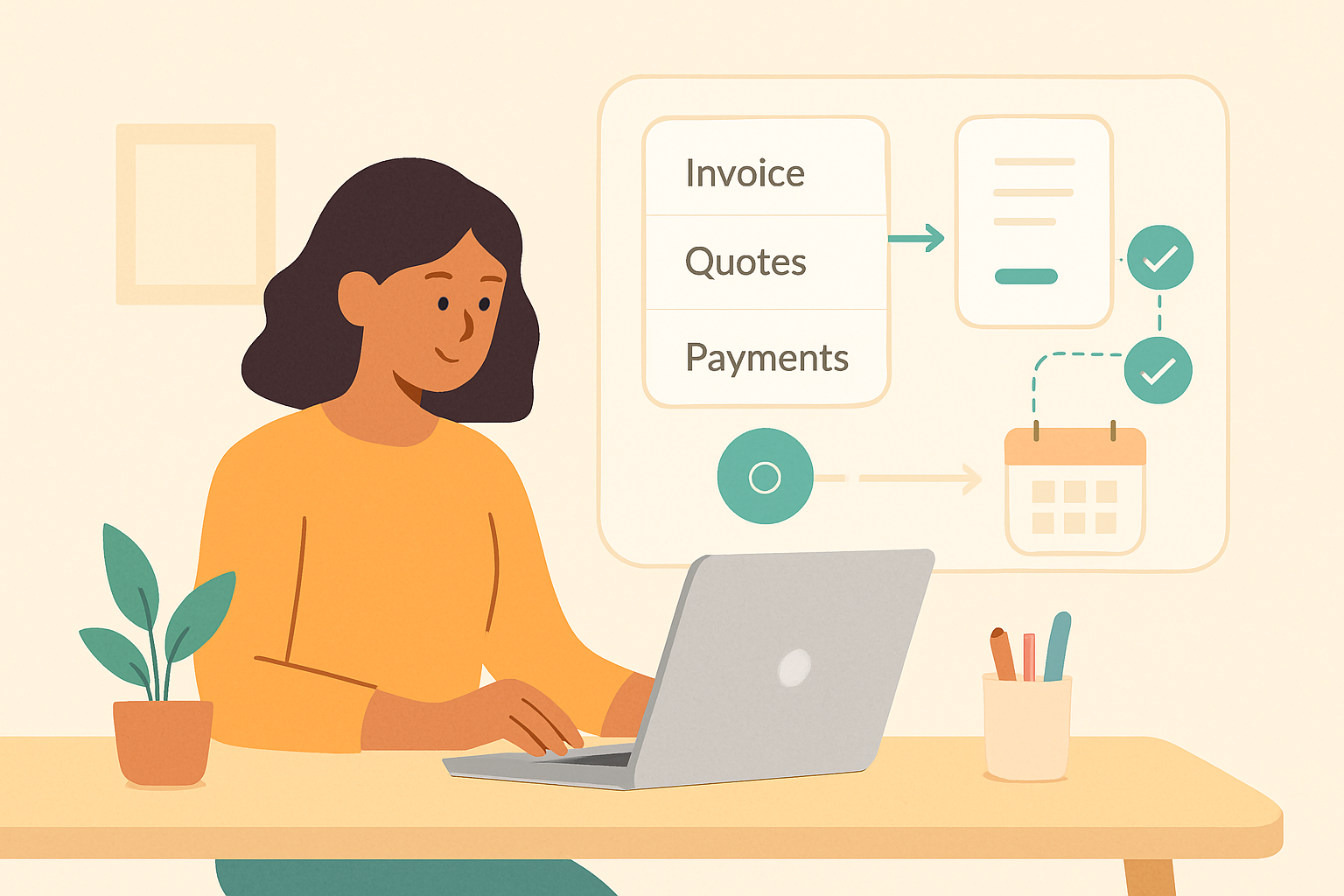
If we want to how to get paid invoices faster, we need more than a polished bill—we need a process that makes payment easy, clear, and timely. Late payments often come from friction: unclear terms, missing details, slow follow-up, or too many steps between sending an invoice and receiving funds.
In this article, we’ll break down practical ways to speed up collections without damaging client relationships. We’ll look at how to set expectations early, improve invoice quality, reduce payment friction, and follow up with confidence. Whether we work with a few clients or manage a steady flow of projects, these pro tips can help us get paid faster and keep cash flow moving.
Key Takeaways
- Set clear payment terms before work begins so clients know exactly when and how to pay.
- Make invoices easy to approve by including complete, accurate, and well-organized details.
- Reduce payment friction with simple payment options, reminders, and automation.
- Follow up consistently with a professional tone to keep collections moving without harming relationships.
How to Get Paid Invoices Faster by Setting Clear Payment Terms
One of the most effective ways we can how to get paid invoices faster is by setting payment terms that are clear, specific, and easy to understand before work begins. When terms are vague, clients have room to delay, question the invoice, or wait for reminders. When terms are precise, we reduce friction and make payment expectations part of the agreement from the start.
We should spell out the due date, accepted payment methods, late fees, and any deposit or milestone requirements. Instead of using broad language like “net 30” without context, we can make the terms more actionable by stating exactly when the clock starts, what happens if payment is late, and who to contact with billing questions. The goal is to remove uncertainty so clients know what to do and when to do it.
Clear payment terms also help us protect cash flow by encouraging faster decisions. If a project requires upfront work, we can request a deposit before starting. If the work is ongoing, we can use milestone billing to collect partial payments along the way. For recurring services, we can define a consistent billing cycle so invoices are expected and easier to process.
To make terms more effective, we should keep them visible in every client-facing document, including proposals, contracts, quotes, and invoices. Consistency matters because clients are more likely to pay quickly when the same terms appear throughout the relationship. We can also reinforce the terms in our onboarding process so there are no surprises when the first invoice arrives.
- State the due date clearly and avoid ambiguous wording.
- List accepted payment methods so clients can pay without delay.
- Include late payment consequences to encourage timely action.
- Request deposits or milestone payments for larger projects.
- Repeat terms across contracts and invoices to keep expectations consistent.
When we set clear payment terms, we make it easier for clients to pay on time and easier for us to manage collections. This simple step can shorten payment cycles, reduce follow-up work, and create a more predictable invoicing process overall.
How to Get Paid Invoices Faster with Clear, Easy-to-Approve Invoices
To get paid invoices faster, we need to make approval as simple as possible. The easier an invoice is to understand at a glance, the less likely it is to sit in someone’s inbox waiting for clarification. Clear invoices reduce back-and-forth, shorten review time, and help clients move directly to payment.
We should start with the basics: use a clean layout, consistent formatting, and a clear summary at the top. The client should immediately see who the invoice is from, what the charge is for, how much is due, and when payment is expected. If they have to search for key details, we create friction that slows everything down.
We also need to make every line item easy to verify. That means using plain language instead of internal jargon, grouping related charges logically, and avoiding unnecessary complexity. If we bill for multiple services, we should separate them clearly so the client can match each item to the work delivered. When possible, we can include brief descriptions that connect the charge to the project, milestone, or deliverable.
Accuracy matters just as much as clarity. A single error in pricing, quantity, tax, or contact information can trigger a delay while the client requests a correction. Before sending, we should review the invoice for:
- Correct client name and billing contact
- Accurate service descriptions and quantities
- Proper totals, taxes, and discounts
- Clear payment terms and due date
- Correct payment instructions or links
We should also remove anything that does not help the client approve the invoice. Extra notes, vague references, and cluttered formatting can make the document harder to process. If a client needs supporting details, we can attach them separately or include a short note that explains the context without overwhelming the invoice itself.
Another useful step is to standardize our invoicing process. When every invoice follows the same structure, clients know where to look for the information they need. That familiarity speeds up review and reduces the chance of questions. It also helps our team catch mistakes faster because we are working from a repeatable format instead of building each invoice from scratch.
If we want to reduce approval delays even further, we can use invoicing software that centralizes client details, quotes, and billing history in one place. Tools like ZenInvoice can help us keep invoices consistent, organized, and ready to send with less manual work.
When invoices are easy to review, clients can approve them with confidence. That simple improvement can make a meaningful difference in how quickly we get paid.
Reduce Friction with Simple Payment Options and Automation
To get paid invoices faster, we need to make paying as easy as possible for clients. Every extra step—logging into a portal, mailing a check, or asking for payment details—creates delay. When we reduce that friction, we shorten the time between sending an invoice and receiving the money.
We should offer payment methods that match how clients already prefer to pay. For many businesses, that means giving them a simple online option with card or bank transfer