Published on April 11, 2026
Invoices vs Receipts: Key Differences Explained
Invoices vs receipts: learn the key differences, when to use each, and how to avoid costly recordkeeping mistakes.
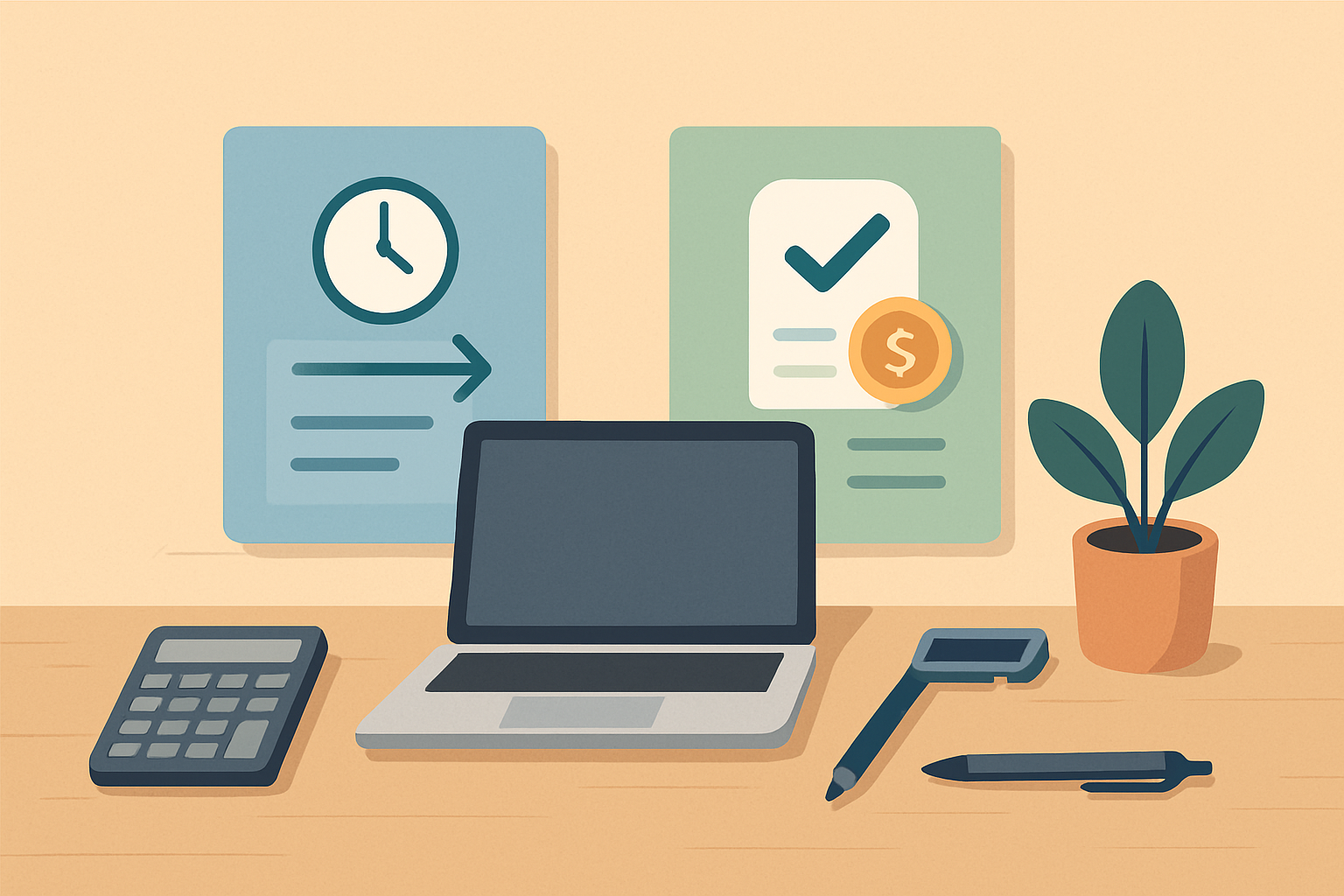
Invoices vs receipts is a comparison we need to understand clearly because both documents support payment, recordkeeping, and financial control, but they serve different purposes at different points in the transaction. When we use them correctly, we reduce confusion, speed up collections, and keep accounting records cleaner.
An invoice is a request for payment. A receipt is proof that payment was made. That simple distinction affects how we bill clients, confirm sales, track cash flow, and prepare reports. If we mix them up, we can create delays, duplicate entries, or gaps in our records that waste time and budget.
In practical terms, the difference matters for every business that sends bills, accepts payments, or manages recurring work. We need to know when to issue each document, what information it should include, and how it fits into our workflow. That clarity helps us stay organized and gives customers a smoother experience.
In this article, we will break down what invoices and receipts mean today, how to evaluate them without common mistakes, and how to apply a simple framework that improves execution. We will also look at real-world examples so we can focus on what actually works in day-to-day operations.
Key Takeaways
- Invoices request payment; receipts confirm payment has been made.
- Using the right document at the right stage helps reduce billing errors and speed up collections.
- Clear invoice and receipt workflows improve recordkeeping, cash flow tracking, and customer experience.
- Businesses that separate billing from payment confirmation avoid duplicate entries and reconciliation issues.
Invoices vs receipts: what each document does and why it matters
When we compare invoices vs receipts, we are really comparing two documents that serve different jobs in the payment process. An invoice is a request for payment. A receipt is proof that payment was received. That distinction matters because each one supports a different business action: billing, collecting, recording, and reconciling.
In practical terms, we use invoices before money changes hands and receipts after payment is completed. An invoice tells the customer what they owe, why they owe it, and when payment is due. A receipt confirms what was paid, how much was paid, and often how the payment was made. If we mix them up, we can create confusion in accounting, delay collections, or make it harder to track outstanding balances.
This difference matters most when we want clean financial records and faster cash flow. For example, if we send a clear invoice right after delivering work, we make it easier for the client to pay on time. If we issue a receipt immediately after payment, we give the customer proof for their records and close the transaction properly on our side. Both documents help reduce disputes, but they do so at different stages.
We also need to think about how these documents support internal processes. Invoices help us:
- track accounts receivable
- follow up on unpaid balances
- document what was billed
- set payment terms and due dates
Receipts help us:
- confirm payment completion
- match deposits to invoices
- support expense and tax records
- provide customers with proof of purchase
For small businesses and freelancers, the difference is not just technical. It affects how quickly we get paid, how accurately we manage records, and how professional our client communication feels. When we understand invoices vs receipts clearly, we can build a smoother workflow from quote to payment to recordkeeping.
That is why the distinction matters today: it helps us stay organized, reduce manual follow-up, and keep both sides of the transaction aligned. In a simple billing process, the invoice starts the payment conversation and the receipt closes it.
How to evaluate invoices vs receipts without common mistakes
When we compare invoices vs receipts, the fastest way to avoid mistakes is to treat each document as serving a different business purpose. An invoice is a request for payment. A receipt is proof that payment was received. If we blur that line, we can create problems in bookkeeping, tax records, and cash flow tracking.
To evaluate them correctly, we should first ask what stage of the transaction we are documenting. If work is complete and we need to collect money, we issue an invoice. If the customer has already paid, we provide a receipt. Using the wrong document can lead to duplicate records, delayed collections, or confusion during reconciliation.
We also need to check the details on each document. A strong invoice should include the seller and buyer information, an itemized list of products or services, payment terms, due date, and the total amount owed. A receipt should confirm the payment amount, date paid, payment method, and what was purchased. If either document is missing key information, we may spend extra time fixing errors later.
- Use invoices to request payment for completed or pending work.
- Use receipts to confirm that payment has been received.
- Match amounts across records to catch billing or payment errors early.
- Separate unpaid and paid transactions so reports stay accurate.
Another common mistake is assuming a receipt can replace an invoice. In many cases, it cannot. A receipt proves payment, but it does not always show what was billed, when payment was due, or whether any balance remains. That makes invoices essential for accounts receivable and for tracking outstanding revenue. On the other hand, a receipt is often the final record a customer needs for expense tracking or reimbursement.
We can save time by standardizing how we create and store both documents. When invoices and receipts follow the same naming, numbering, and filing structure, it becomes easier to search records, answer client questions, and prepare reports. For teams that want less manual work, a system like ZenInvoice can help centralize invoicing, quotes, and collections in one flow.
The key is to use each document for its intended role. That simple habit helps us avoid wasted effort, improve accuracy, and keep our financial records clean.
Step-by-step framework to implement invoices vs receipts
To put invoices vs receipts into practice, we need a simple workflow that tells us when to issue each document and who owns each step. The goal is not just accuracy; it is faster billing, cleaner records, and fewer payment disputes. We can do that by building a process around the customer journey,